Wednesday

Neonics Pose Definite Risks to Insect and Wildlife Populations


You may have heard about the decreasing number of honeybees and other beneficial insects, but did you know that scientists have recently linked their health issues and deaths to neonicotinoids? Neonicotinoids (or neonics, for short) are “a class of neuro-active insecticides chemically similar to nicotine.”[1]  Neonics act in a different way than other insecticides in that they are “applied to the soil or doused on seeds… [and then] incorporate themselves into the plant’s tissues, turning the plant itself into a tiny poison factory emitting toxin from its roots, leaves, stems, pollen, and nectar.”[2] So when a bee, butterfly, or other insect pollinator goes looking for nectar in plants that have been sprayed with neonics, they get pesticides as well. But bees and insects aren’t the only ones affected by neonics. Birds are also at risk from eating seeds, and reptiles have declined as well due to their prey (insects) becoming scarcer.

A group of scientists involved in the International Union for Conservation of Nature (IUCN) recently evaluated 800 peer-reviewed reports of neonicotinoids and wrote a report called the Worldwide Integrated Assessment. It is this report that concluded that neonics do in fact cause serious risks. One of the leading authors of the Worldwide Integrated Assessment, Dr. Jean-Marc Bonmatin, said in a statement that “[t]he evidence is very clear. We are witnessing a threat to the productivity of our natural and farmed environment equivalent to that posed by organophosphates or DDT.” He added that,”[f]ar from protecting food production, the use of neonics is threatening the very infrastructure which enables it, imperilling the pollinators, habitat engineers and natural pest controllers at the heart of a functioning ecosystem.”[3]

Last year, the European Union issued a two-year ban on three neonicotinoids (clothianidin, imidacloprid, and thiametoxam), but the U.S.’s Environmental Protection Agency is still not banning or restricting their use. The agency claims that it is still reevaluating the insecticides, despite the fact that many environmental groups have called for an immediate ban and that the approval of neonicotinoids in the first place has been criticized.

Interestingly, the Fish and Wildlife Services has recently planned “to eliminate neonicotinoid insecticides in wildlife refuges in the Pacific Region, citing adverse affects [sic] on non-target as a top concern.”[4] We can only hope that other government agencies will take a cue from the EU and the Fish and Wildlife Services in banning these harmful poisons and, in turn, protecting insect and animal life.


[1] Wikipedia page: Neonicotinoid. <http://en.wikipedia.org/wiki/Neonicotinoid#Links_to_decline_in_bee_population>
[2] Gertsberg D. “Study Says Science on Neonics is Conclusive.” GMO Journal: Food Safety Politics. July 17, 2014. <http://gmo-journal.com/2014/07/17/study-says-science-on-neonics-is-conclusive/?utm_source=GMO+Journal+Newsletter&utm_medium=email&utm_campaign=cc693c9ce1-RSS_EMAIL_CAMPAIGN&utm_term=0_4298a8b11c-cc693c9ce1-64670009>
[3] Id.
[4] Id.

Tuesday

Suffering from Chronic Inflammation?

If you find yourself with “persistent…swelling, redness, pain, fever, loss of appetite or general malaise,”[1] there are some foods you should incorporate regularly into your diet. It’s a simple way to treat and prevent health issues that requires no more than a quick trip to your local grocery store!

First, try fatty fish like (fresh) tuna, salmon, and mackerel, baking or boiling it to maintain its beneficial properties. Oilier fish like these fight inflammation better than whitefish, cod, and sole, all of which are healthy sources of lean protein.

Avocado, in addition to being a great source of monosaturated fats, goes well with many different types of food and—you guessed it—reduces inflammation. You can eat it on salad or in sandwiches, or even just eat it plain. For an easy substitution in your daily diet, try switching out lettuce or other light-colored leaves for dark leafy greens like kale, broccoli, and collards. These dark greens are a great way to stop unhealthy swelling.

Turmeric, a traditional Indian spice, is known for treating “a variety of inflammatory conditions, such as toothache, bruises, rheumatoid arthritis and general joint swelling.”[2] You can add turmeric to just about anything, but it’s especially tasty in stir-fries or curries. 

Walnuts have antioxidant properties and include omega-3 fatty acids, copper, manganese, molybdenum, and biotin, which are all beneficial nutrients. You should try to have about 14 walnut halves every day. In addition, peppers of all kinds (bell and hot) can help alleviate inflammation. But be careful and incorporate peppers into your diet while keeping other foods the same, as they can “provoke an even greater immune response [more swelling] in some people.”[3] 

The following two foods are highly recommended for a variety of reasons: olive oil and ginger. Olive oil can help you lose weight and lower cholesterol, but did you know it can also reduce inflammation? Stick with only extra-virgin olive oil, though, as it’s the only olive oil proven to provide these benefits. Ginger “not only fights inflammation but also works to stop it in its tracks by suppressing the formation of inflammatory compounds in the first place.”[4] You can go so far as to eat ginger straight in its root form, or slowly incorporate it into your diet by sprinkling a bit into a smoothie.

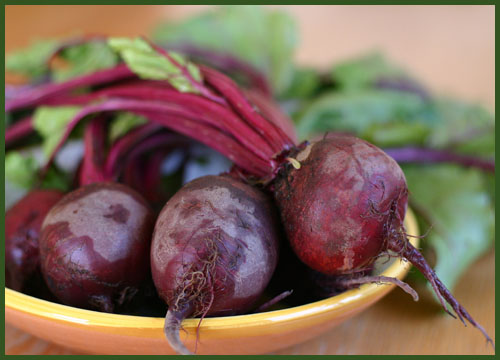
Beets are a versatile and beneficial food source that taste great roasted, boiled, and grated. Try them in the summer in red, orange, yellow, pink, and even multicolored options! The last inflammation-fighting food is holy basil, which is an inexpensive herb available at specialty or Asian food stores. It may also be called tulsi or hot basil. Expect a little spice when you add it to your recipes! 

Hopefully these options will help you get your inflammation, redness, swelling, and even other health issues under control. From this point on, new blogs will be posted every other week. See you in two weeks!   

“Working to restore GOD’s perfect design in you!”


[1] Geib A. “Foods that fight inflammation – here’s what really works.” NaturalNews.com. May 18, 2014. <http://www.naturalnews.com/045187_foods_that_fight_inflammation_avocado_turmeric.html>
[2] Id.
[3] Id.
[4] Id.

Wednesday

Fasting - An Effective Approach to Weight Loss


Dr. Krista Varady wrote a book entitled The Every-Other-Day Diet: The Diet That Lets You Eat All You Want (Half the Time) and Keep the Weight Off. The title really says it all; Dr. Varady has explored the health benefits and weight loss results achieved by fasting only on alternate days, and eating what you want on the other days of the week. She was prompted to research this topic “to find out: do you really have to diet every single day to lose weight?” and “noticed that people just weren’t able to stick to calorie restriction programs for more than about a month or two. Everyone dropped off of their diet.”[1]

If you’re wondering what exactly “fasting” means in terms of this diet regimen, read on. First, it’s important to know the difference between complete and intermittent fasting. Complete fasting is when you consume no food whatsoever for 24-hour periods, drinking only water during that time. While there are documented health benefits—even longer life expectancy—for this kind of calorie restriction, it just isn’t practical for most people. Like Dr. Varady said, the severity of complete fasting causes people to “drop off” their diet.
 
Alternate-day fasting, the type Dr. Varady encourages, falls under the umbrella category of intermittent fasting. Intermittent fasting is when you cut calories from your diet a couple or a few days a week. Dr. Varady’s fasting routine calls for eating only 500 calories on fasting days, and eating whatever you want on non-fasting (or “feasting”) days. Not only has she documented the positive health results of this weight loss routine, but people also found it much easier to do alternate-day fasting than complete fasting.

She recommends eating all 500 calories on your fasting day in the same meal, usually lunch or dinner. If you start with breakfast, psychologically you’ll be focusing on the fact that you can’t eat anything again until breakfast the following day. If you eat lunch or dinner instead, you have less time to wait until your next meal. Also, according to Dr. Varady’s research, people who split the 500-calorie meal into smaller meals/snacks throughout the fasting day were not as successful as those who ate just one meal, once a day. They were more tempted to cheat throughout the day.

Chances are, you’ve probably heard of the recent trend in the “Paleo” diets and exercise routines, and alternate-day fasting actually fits into that lifestyle. Our cavemen ancestors often went through alternating periods of feast and famine, and “modern research shows [that feasting and fasting] actually has biochemical benefits.”[2]

It may be hard to imagine eating so few calories, even if you don’t have to do it every day. This is largely because our modern bodies are accustomed to eating continuously, often times when we’re not even truly hungry. We’ve adapted to burning sugar as our primary fuel rather than fat. Fasting is a great way to “reboot” your body so that it can burn fat instead, using up your unwanted fat stores. Then, naturally, you will begin to lose weight.

In Dr. Varady’s experience, “It takes about a week to 10 days or so to get used to that up-down pattern of eating…But it’s amazing. Even though people struggle through the first week, they always say, ‘After a week, I had no problem eating just 500 calories every other day.’”[3]

If you decide that you’d like to try alternate-day fasting, keep in mind that you may experience side effects like headaches and, above all, feeling hungry. It’s as much of a physical as it is a psychological challenge; you have to remember that you’re used to eating constantly, sometimes out of boredom or habit. Also, drink plenty of water while you’re fasting. (As you probably know, we often mistake thirst for hunger.) Dr. Varady also suggests watching less television, since the majority of commercials on TV are advertising food.

Don’t worry about completely changing your diet on feast days, at least not at first. It can seem to be too much of a challenge to fast intermittently and overhaul your diet, so focus on the fasting first, and stick with it! As your body reboots and you start getting the weight loss results you want, though, you may even find yourself craving healthier foods. When that happens, try to incorporate foods that are:

  • High in healthy fats (both on feasting and fasting days. Good examples include avocados; coconuts and coconut oil; grass-fed, organic butter; unheated organic nut oils; raw dairy; raw nuts; organic pastured egg yolks; and grass-fed meats)
  • Moderate amounts of high-quality protein (most people won’t need more than 40-80 grams of protein per day)
  • Unrestricted amounts of fresh vegetables (organic, if possible).[4]
Don’t forget that exercise is a crucial part of any diet, alternate-day fasting included. Dr. Varady’s research found that you can in fact exercise on a fasting day. It helps to exercise about an hour before your fasting day meal, since people usually experience a surge of hunger after exercising.

Important note: if you are pregnant, have adrenal fatigue, or cortisol dysregulation, you should avoid fasting. If you are hypoglycemic or diabetic, you may be able to fast, but you must be especially cautious and are advised to speak to your doctor.

If you’d like to read more about alternate-day fasting or Dr. Varady’s research, check out her book, The Every-Other-Day Diet: The Diet That Lets You Eat All You Want (Half the Time) and Keep the Weight Off.

“Working to restore GOD’s perfect design in you!”


[1] “How Alternate-Day Fasting Can Help You Achieve Your Weight Loss Goals.” Dr. Mercola. June 8, 2014. http://articles.mercola.com/sites/articles/archive/2014/06/08/alternate-day-fasting.aspx
[2] Id.
[3] Id.
[4] Id.