Wednesday

Artificial Sweeteners Linked to Diabetes and Obesity

Recent research has shown that artificial sweeteners can increase your risk of diabetes by “driv[ing] the development of glucose intolerance through induction of compositional and functional alterations to the intestinal microbiota.”[1] In other words, they disrupt the natural, healthy flora found in your intestines. As gluten intolerance becomes more and more prevalent in today’s society, it’s important to know exactly what it is: it’s a “condition in which your body loses its ability to cope with high amounts of sugar, and it’s a well-known precursor to type 2 diabetes.”[2] Not only is diabetes a concern with glucose intolerance; the excess sugar in your body ends up being stored in fat cells, which can lead to obesity.

How strange is it that the same recommendations you may receive from a doctor or may choose to implement on your own to be healthier can actually harm you? Did you believe that drinking diet soda or switching to diet foods would ultimately help you lose weight? Think again! According to Dr. Mercola, an alternative medicine proponent and physician, “those who switch to artificial sweeteners are typically carrying extra pounds and/or are diabetic. Most are unaware that this may be the absolute worst diet change they could implement.”[3] Artificial sweeteners that are used in low-calorie food or drink options actually stimulate appetite and cause cravings, promote insulin resistance (and diabetes) and even stimulate fat storage. That seems counter-productive, doesn’t it?

Think about it this way: for decades, research has shown a correlation between eating something sweet and craving carbs and an increase in hunger. Artificial sweeteners trick your mind into thinking that it’s going to receive calories through sugar, but in addition to this, the artificial kind alters your gut’s natural functions. In 2011, at the American Diabetes Association’s Scientific Sessions, epidemiologists showed data that demonstrated that “diet soft drink consumption is associated with increased waist circumference in humans, and a second study found aspartame raised fasting glucose (blood sugar) in diabetes-prone mice.”[4]

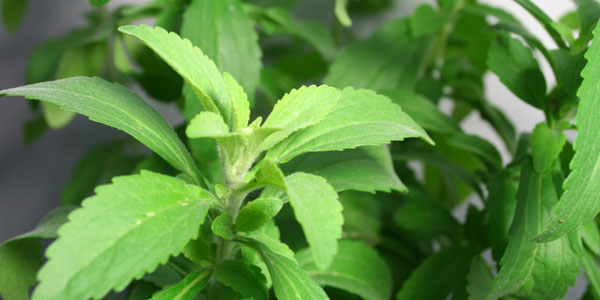
Now you’re probably wondering if there are any safe, healthy (or at least not health-threatening) alternatives to sugar. First, I recommend intermittent fasting, the many benefits of which I discussed in an earlier blog post. This can help you shake your sugar cravings—just be sure that you’re getting enough healthy fats (e.g. avocados, nuts, olives and olive oil, salmon, etc.). If you get those cravings under control but find yourself still wanting a bit of sweetener every so often, you can try Stevia (pictured below) or Luo Han Guo (pictured to the right). Both of these come from plants, so, as you can imagine, are not detrimental to your health like the other, chemical-based sweeteners.
 The more you know, the easier it is to make healthy decisions for your life, so educate yourself on various sweeteners and think twice before reaching for a diet soda or no-/low-calorie food, thinking you’re doing yourself a favor. The research has certainly been done to support the fact that you’re ultimately doing more harm than good with these falsely marketed products.

Working to restore GOD's perfect design in you!


[1] Mercola. “Artificial Sweeteners Raise Your Risk of Diabetes by Altering Your Gut Microbiome.” October 1, 2014. From Articles.Mercola.com; Nature September 17, 2014 [Epub ahead of print]
[2] Mercola. “Artificial Sweeteners Raise Your Risk of Diabetes by Altering Your Gut Microbiome.” October 1, 2014. From Articles.Mercola.com.
[3] Id.
[4] UT Health Science Center San Antonio Press Release, June 27, 2011.

Act As If

Would it surprise you to hear that one in every four deaths in the U.S. each year is from cancer? [1] And one in every three deaths is a result of heart disease?[2] These numbers are frighteningly high, much higher than the rest of the world or even America a few decades ago. While some diseases can attack even the healthiest of us, there are also some obvious lifestyle choices to be avoided if you want to do your best to stay free of life-threatening disease. These include, but are not limited to, high cholesterol, lack of exercise/physical activity, high stress levels, and eating a diet high in saturated fats.
There are also risk factors for cancer to look out for: hormone replacement therapy (cervical cancer), eating a lot of smoked meats and nitrates (stomach cancer), smoking (lung and mouth cancer), high fat diets (colon cancer), aspartame (brain tumors), saccharine (bladder cancer), and more! It’s staggering, isn’t it?

But it doesn’t have to be. It is our responsibility as intelligent human beings with access to health information to no longer choose these harmful paths. I call you to act as if you could get cancer or heart disease at any time. If you knew you were going to contract one of these life-threatening illnesses, would you still go on consuming unhealthy products, living a stressful life without dealing with the causes of your stress, and neglecting physical activity? I doubt it.

Here are a few suggestions that shouldn’t be too difficult to implement. First, eat organically whenever possible. Second, exercise at least three times per week (preferably more), stop smoking if you’re a smoker, cut back on fat in your diet, do not use artificial sweeteners of any kind or in any capacity, and use natural cleaning products around the house. I believe that God gave us perfect, smart bodies that will do whatever they can to keep us going strong. But you have to take steps to help your body, too. If you wait too long, it won’t be possible to get that health back, so do yourself a huge favor and make smart choices now!

Working to restore GOD's perfect design in you!


[1] Thomara Latimer Cancer Foundation. “Cancer Facts (reproduced from American Cancer
 Society).” www.Thomlatimercares.org/Cancer_Facts.htm
[2] Million Hearts. “About Heart Disease & Stroke.” http://millionhearts.hhs.gov/abouthds/cost-consequences.html

Beware of the Risks of Acetaminophen Overdose

Would you be surprised to learn that excessive use of over-the-counter painkillers like acetaminophen (found in Tylenol and other generic brands) “causes more than 80,000 emergency room visits each year because people often aren’t aware they’re taking too much”?[1] And did you know that acetaminophen is actually included in over 600 different drugs: cold and allergy medications, fever reducers and sleeping pills, among others? So, when you think you’re just popping a few extra-strength Tylenol, and then you take cold medicine or a sleeping pill, you could actually be taking a major health risk.

Interestingly, “Acetaminophen overdose is the leading cause for calls to Poison Control Centers across the US—more than 100,000 instances per year—and acetaminophen poisoning is responsible for nearly half of all acute liver failure cases in the US.”[2] You’ve probably been taught from an early age that acetaminophen is safe when taken as recommended. But the problem is that there’s very little difference between a safe dose and a potentially lethal one.

If you take 25% more than the daily recommended dose, which equates to just two extra-strength pills a day, within just a couple of weeks of daily use you could be causing liver damage.[3] As strange as it may sound, research has proven that taking just slightly more than the recommended dose of acetaminophen over several days or weeks (which is called “staggered overdosing”) can actually be riskier than overdosing all at once.[4]

Fortunately, the FDA recently urged doctors and others in the health field to stop prescribing combination drug products (the type that you may take without knowing they contain acetaminophen) that have more than 325 mg of acetaminophen per tablet, capsule, etc.[5] Still, despite this action, there are prescriptions containing more than the recommended dose on the market, so remember to add up all the sources of acetaminophen you’re consuming. Also, beware of the fact that the dosing advice on these medicines is sometimes quite unclear and there are various recommendations for how much you can take per day.

As far as my practice goes, there was a recent study conducted that compared patients who took acetaminophen for back pain versus those who were given a placebo. It found that, “there was almost no difference in the number of days required to recover between the two groups; the median time to recovery was 17 days in the regular…group, 17 days in the as-needed…group, and 16 days in the placebo group.”[6] Since about 25-30% of people struggle with persistent or chronic back pain throughout their lives, it’s important to know these facts so that you don’t reach for ineffective treatments like acetaminophen the next time you’re in pain. Instead, seek other methods of pain relief, as I’ve discussed in previous blogs, or come see me for an adjustment!

A few more important notes to keep in mind:[7]
·      Don’t take more than one regular strength (325 mg) acetaminophen when combined with a narcotic analgesic like codeine or hydrocodone.
·      Don’t take more than the prescribed dose of a product that contains acetaminophen in a 24-hour period.
·      Don’t take more than one product containing acetaminophen at the same time. Read the list of ingredients on any over-the-counter or prescription drug you take.
·      Don’t drink alcohol while taking acetaminophen, even if the amount of alcohol is small. The combination can increase your risk of kidney dysfunction.

I hope this post was informative and useful to you for your future pain relief needs. It is our job to stay informed and put these lessons into practice rather than depend on the FDA or other branches of the health industry to work in our best interests.

“Working to restore GOD’s perfect design in you!”


[1] Time Magazine July 31, 2014; Mercola “Acetaminophen Overdose is Far Easier Than You Might Think,” August 14, 2014
[2] Hepatology 2004 Jul;40(1):6-9; Mercola Id.
[3] JAMA July 5, 2006: 296(1); 87-93; Mercola Id.
[4] British Journal of Clinical Pharmacology 2012 Feb; 73(2): 285-94; Mercola Id.
[5] FDA.gov January 14, 2014; NPR.org January 16, 2014; Mercola Id.
[6] Lancet July 24, 2014 [Epub ahead of print]; Fortune August 4, 2014; Mercola Id.
[7] Mercola Id.